

Table of Contents
- Durable Pet Collars and Tags: What Makes Them Last
- Quick Comparison Table
- Leather Collars: Premium Durability and Style
- Reflective Collars: Safety Meets Longevity
- Engraved Pet ID Tags: Permanent Identification That Lasts
- Pet Identification Laws and Durability Requirements
- How to Choose a Dog Collar Size for Long-Term Comfort
- Frequently Asked Questions
Last Updated: September 19, 2026
Durable Pet Collars and Tags: What Makes Them Last
When your dog slips through an open gate or your cat bolts at the first sign of an escape route, a durable pet collar and ID tag becomes the difference between a quick reunion and a missing pet. The quality of these everyday accessories matters far more than most pet owners realise. A cheap collar frays within weeks. A poorly engraved tag fades to illegibility within months. But the right durable pet collars and tags keep your pet identifiable and comfortable through years of daily wear.
Pet ID Tags Australia has spent over 20 years crafting collars and tags built to withstand active pet life. This guide covers the materials, construction methods, and design features that separate durable pet collars and tags that last from those that don't.

Quick Comparison Table
| Collar Type | Material | Price | Best For | Durability |
|---|---|---|---|---|
| Leather Collar | Top grain leather | $39.90 | Dogs needing premium comfort | 3-5 years with care |
| Reflective Collar | Nylon with reflective stitching | $34.90 | Active dogs, evening walks | 2-4 years |
| Velvet Collar | Plush velvet with padding | $29.00 | Small breeds, sensitive skin | 2-3 years |
| Engraved ID Tag | Stainless steel or anodised aluminium | Varies | Permanent identification | 5+ years |
Leather Collars: Premium Durability and Style
Leather collars represent the gold standard for longevity and comfort. Top grain leather resists wear and softens with age rather than cracking.
The key to leather durability lies in the hardware. Solid nickel or chrome-plated buckles and D-rings prevent rust and corrosion, even when your dog swims or plays in wet conditions. Cheap collars use thin zinc plating that flakes away within months. Quality leather collars feature bevelled edges that reduce fraying.
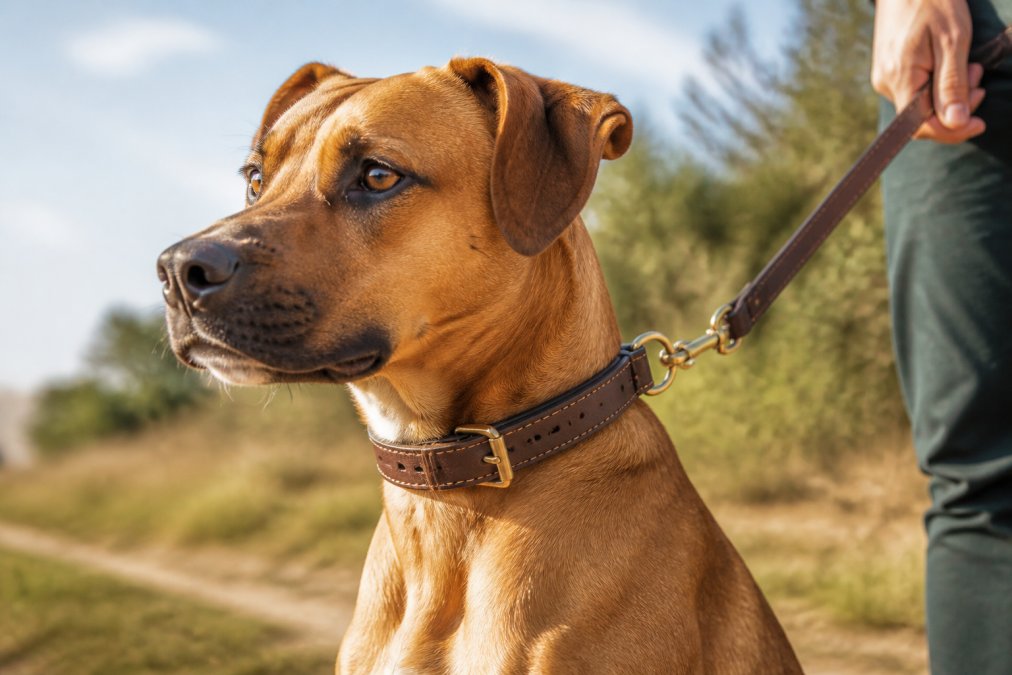
Pet ID Tags Australia's leather collars feature laser-engraved personalisation. Available in multiple colours and adjustable sizes.
Leather collars require more maintenance and aren't ideal for dogs that swim frequently.
Reflective Collars: Safety Meets Longevity
Reflective collars keep your dog visible during low-light walks and eliminate the need for separate hanging tags that can snag or get lost. Reflective stitching reflects light from car headlights and torches.
Durability of Reflective Materials
Quality reflective collars use nylon webbing with soft padding to prevent rubbing.
Text engraved directly onto the collar keeps identification secure and readable.
Noise Reduction: Silent Tags vs. Jingling
A jingling tag can stress anxious dogs and disrupt sleep. Many owners seek silent or low-noise collar solutions.
Three main approaches to noise reduction: (1) Engraved collars with no separate tag produce zero noise. (2) Silicone slide-on tag covers reduce noise. (3) Flat engraved tags attached snugly to the collar reduce movement and noise significantly.
Personalised Pet Collar Leather - Made →
For dogs with noise sensitivity or anxious owners, an engraved collar or flat tag with silicone cover is worth the investment.
Material and Hardware Durability
Pet ID Tags Australia offers reflective collars in multiple colours with custom engraving, soft padded lining, and stainless steel hardware. For active dogs, reflective collars withstand daily wear and weather while keeping your pet identifiable without fragile hanging tags.
Engraved Pet ID Tags: Permanent Identification That Lasts
An engraved pet ID tag serves as backup identification when a collar fails. Unlike printed tags that fade, deeply engraved tags remain readable by cutting permanent marks into the material.
Material Durability and Allergy Considerations
Stainless steel resists corrosion and is ideal for dogs that swim. Anodised aluminium is lightweight, hypoallergenic, and safe for dogs with nickel allergies. Nickel-plated or cheap alloy tags can trigger allergic reactions.
Engraving Depth and Longevity Testing
Laser engraving penetrates deeper than mechanical engraving, creating sharper, more durable text. The depth of the engraving matters critically: shallow engraving fades as the surface wears; deep laser engraving stays legible even after years of friction against fur, collars, and harnesses.
Attachment Methods and Stress Points
The attachment method affects durability as much as the tag material itself.
Quality tags use secure but flexible attachment, typically a stainless steel split ring or a silicone slide-on sleeve. If you're transferring a tag between collars frequently, ensure the attachment hardware is robust enough to withstand repeated removal and reattachment.
Pet Identification Laws and Durability Requirements
Legal requirements for pet identification vary across Australian jurisdictions, but most councils mandate that dogs wear a collar with an ID tag displaying the owner's contact information. This legal requirement underscores why durable pet collars and tags matter: a faded or illegible tag fails to meet legal obligations and leaves your pet at risk.
Microchipping is also legally required in most areas, but a microchip only helps if your pet is found and scanned by a shelter or veterinary clinic. A readable ID tag on a durable collar allows anyone who finds your dog to contact you immediately. The combination of a microchip and a durable, readable collar provides the best chance of a quick reunion.
According to local council registration requirements, pet owners must ensure identification is maintained and current. This means your collar and tag must remain readable and secure throughout your dog's life. A collar that frays or a tag that fades within a year fails to meet these standards.
Some jurisdictions require specific information on the tag: owner name, address, and phone number at minimum. Some councils also require the pet's name and microchip number. Ensure your engraved tag includes all required information for your area.
How to Choose a Dog Collar Size for Long-Term Comfort
Choosing the correct dog collar size is essential for both comfort and durability. A collar that's too tight restricts breathing and causes hair loss and skin irritation. A collar that's too loose can slip off or allow your dog to slip out during a moment of panic. The right fit allows you to slip two fingers between the collar and your dog's neck.
Personalised Pet Collar Leather - Made →
Adjustable collars offer flexibility as your dog grows or gains weight. Many durable pet collars come in multiple sizes to accommodate different breeds. Pet ID Tags Australia offers four adjustable sizes:
-
- 12 x 35cm (adjustable 22 - 30cm)
- 18 x 45cm (adjustable 30 - 40cm)
- 25 x 55cm (adjustable 40 - 50cm)
- 30 x 65cm (adjustable 48 - 58cm)
Measure your dog's neck with a soft measuring tape, then add 5 cm for the two-finger rule. This gives you the maximum collar circumference needed. Choose a collar with adjustment range that covers your dog's current size plus potential growth.
For puppies, plan to replace the collar as they grow. A collar sized for an adult dog will be dangerously loose on a puppy. Conversely, a puppy collar will become too tight within months. Budget for collar replacements during the growth phase, then invest in a high-quality durable collar once your dog reaches adult size.
Weight and breed also affect collar choice. Large, powerful breeds need collars with stronger hardware and thicker material to withstand the force they can generate. Small breeds may benefit from lighter collars that reduce neck strain. Active dogs that spend time outdoors need weather-resistant materials. Indoor dogs can wear delicate materials like velvet without concern for durability.
Durable pet collars and tags aren't luxuries, they're essential safety equipment that keeps your pet identifiable when it matters most. Whether you choose leather for premium comfort, reflective materials for visibility, or quality engraved tags for permanent identification, the investment pays for itself the moment your pet needs to come home.
Pet ID Tags Australia combines 20 years of craftsmanship with deep laser engraving and Australian-made construction to create collars and tags built to last.
Frequently Asked Questions
What makes durable pet collars and tags last longer than cheaper alternatives?
Durable collars use premium materials like top-grain leather, stainless steel hardware, and anodised aluminium components that resist corrosion and wear. Engraved tags with laser or fibre engraving create marks that won't fade or peel like printed surfaces. Quality construction with reinforced stitching and solid d-ring attachments withstands daily pulling and movement. Cheaper alternatives use thin materials, weak hardware, and surface printing that deteriorates within months.
Are stainless steel pet tags more durable than aluminium?
Stainless steel resists corrosion and is ideal for active pets. Anodised aluminium is lightweight and rust-proof when properly treated. Both materials work well; the choice depends on your pet's lifestyle. Laser-engraved tags on either material maintain readability better than printed tags over years of wear.
How do I ensure my pet's ID tag stays attached to their collar?
Use solid split-ring or d-ring attachments rather than flimsy jump rings. Many durable collars feature integrated d-rings with reinforced stitching that prevent tags from detaching. Personalised collars with engraved contact information eliminate the need for separate hanging tags entirely, removing a failure point. Check attachments monthly for wear, especially on active pets.
What pet identification laws apply to dog owners?
Most Australian councils require dogs to be microchipped and wear a collar with identification during public access. Local council regulations vary by region, but permanent identification through microchipping is standard. A durable collar displaying your contact details provides immediate identification before a lost pet reaches a vet or shelter. Reflective collars with engraved names and phone numbers meet safety visibility standards for evening walks. Check your local council's specific requirements, as some areas mandate current registration tags as well as microchipping.
How often should I replace my pet's collar and ID tag?
Leather collars soften and develop character with age but remain functional. Inspect regularly for damage, fraying, or hardware corrosion. Replace immediately if the collar becomes too tight as your pet grows or if hardware fails. Engraved tags don't fade or wear out like printed ones, so replacement is only needed if your contact information changes.