

Table of Contents
- Modern Pet ID Tag Designs at a Glance
- What to Include on a Pet ID Tag for Quick Reunions
- Best Materials for Pet Tags: Durability That Lasts
- Smart QR Code Pet ID Tags: Digital Identification
- Personalised Dog Name Tags: Styles for Every Personality
- Choosing the Right Size and Attachment for Your Pet
- Caring for Your Pet ID Tag: Maintenance and Noise Reduction
- Frequently Asked Questions
Last Updated: September 16, 2026
Modern Pet ID Tag Designs at a Glance
Modern pet ID tag designs in 2026 combine durable materials, personalised engraving, and smart technology to keep pets identifiable and stylish. This guide from Pet ID Tags Australia covers the materials, sizes, and design options that matter most when choosing a pet id tag, and it explains how the right combination of legibility, comfort, and durability keeps your pet safe.
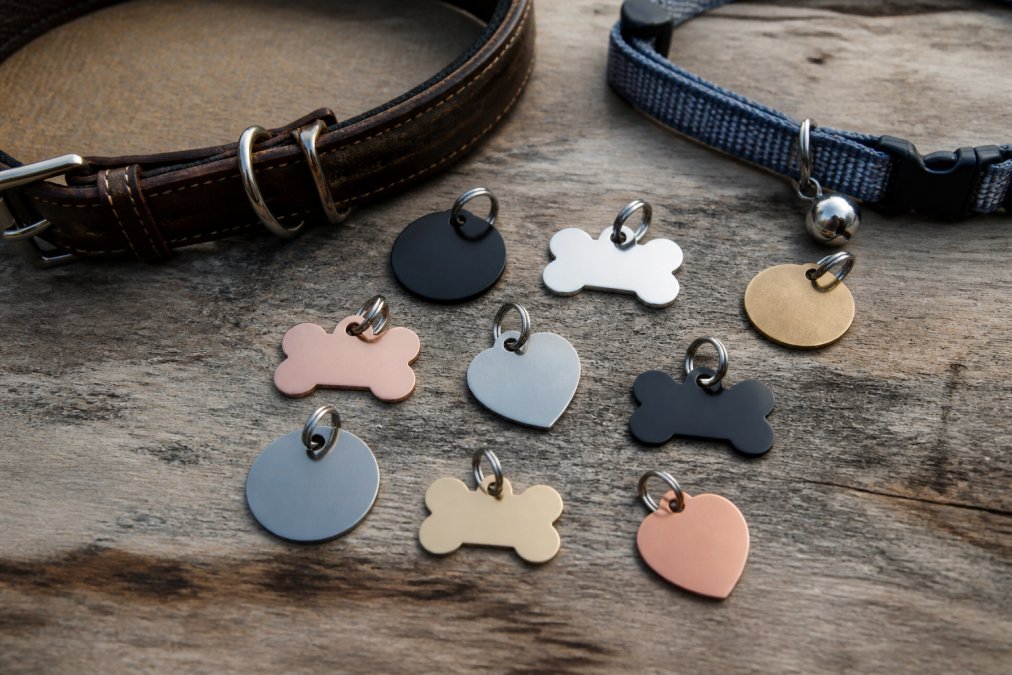
The pet id tag market has shifted noticeably in the past few years. Lightweight aluminium, epoxy-coated enamel, and scannable QR code tags now sit alongside traditional stainless steel options. Each material solves a different problem, and choosing well comes down to matching the tag to your pet's habits rather than chasing the newest finish.
A deeply engraved tag from the outset usually costs less over the life of the pet, and it stays readable when it matters.
Below, we break down what to engrave, which materials hold up, how smart tags work, and how to keep any tag quiet and legible for years. The quick-reference table below summarises the main tag types covered in this guide.
| Tag Type | Material | Starting Price | Best For |
|---|---|---|---|
| Pawzee Smart QR Tag | Digital profile + tag | $34.90 | Tech-aware owners, updateable details |
| Black Aluminium Bone Tag | Anodised aluminium | $17.90 | Puppies, cats, lightweight comfort |
| Stainless Steel Bone Tag | Stainless steel | $21.90 | Active dogs, chewers, long-term wear |
| Crystal Pet Tag | Aluminium + crystals | $24.00 | Style-focused owners |
| Glitter Bone Tag | Solid alloy, enamel | $19.90 | Cats and small to large dogs |
| Flower Pet Tag | Polished alloy, 25mm | $18.90 | Cats, small to medium dogs |
What to Include on a Pet ID Tag for Quick Reunions
The essentials for a pet id tag are your pet's name and at least one current phone number, ideally two contact options. Everything else is a bonus. A finder needs to reach you in seconds, not decode a puzzle.

Australian pet owners typically engrave a mobile number as the primary contact and a second number or suburb as backup. Space is limited on smaller tags, so prioritise in this order:
- Pet's name (large, front-facing)
- Primary mobile number
- Second contact number or suburb
- Microchip number (if space allows on the back)
A common mistake is engraving a landline that nobody answers. If you work away from home, a mobile is the only reliable option. Another is using a nickname the finder can't match to a missing-pet notice.
Smart Pet ID Tag - QR Code Dog & Cat →
For owners who change numbers often, a QR code tag sidesteps the problem entirely. You update the digital profile online and the physical tag stays valid. The Australian Companion Animal Register guidance on microchipping and identification notes that a visible tag remains the fastest way for a member of the public to identify and return a lost pet, even where a microchip is present.
Best Materials for Pet Tags: Durability That Lasts
Stainless steel is the most durable material for a pet id tag, followed by solid alloy and anodised aluminium. Each has trade-offs in weight, cost, and scratch resistance, and the right choice depends on how rough your pet is on gear.

Aluminium tags are the lightest option and suit cats, puppies, and small breeds that dislike weight on the collar. They cost less, but softer metal scratches more easily over time. For a calm indoor cat, an aluminium tag lasts years. For a kelpie that swims, digs, and wrestles, it won't.
Stainless steel resists rust, holds deep engraving well, and stands up to weather and saltwater. It's heavier, which matters more on a cat than a labrador. If your dog is a chewer or a digger, stainless steel is the sensible default.
Here's how the main materials compare in practice:
| Material | Weight | Scratch Resistance | Best For |
|---|---|---|---|
| Anodised aluminium | Very light | Moderate | Cats, puppies, small breeds |
| Solid alloy (enamel) | Light | Good | Everyday dogs and cats |
| Stainless steel | Heavier | Excellent | Active, large, or rough dogs |
| Brass / copper | Medium | Good | Classic look, patina finish |
The single biggest factor in longevity isn't the metal. It's engraving depth.
Smart QR Code Pet ID Tags: Digital Identification
A QR code pet id tag links to a digital profile holding your pet's details and your contact information, which a finder accesses by scanning with a smartphone. The tag itself never needs replacing when your number, address, or emergency contact changes.
Personalised Dog Name Tags: Styles for Every Personality
Personalised dog name tags range from minimalist round discs to glitter bones and crystal-encrusted hearts, and the right style usually reflects the pet's personality as much as the owner's taste. There's no functional reason to choose a plain tag over a decorative one, provided the engraving is deep and the material suits your pet.
Smart Pet ID Tag - QR Code Dog & Cat →
- Classic and timeless: bone and round shapes in black, silver, or brass. Easy to read, hard to date, suit any breed.
- Bold and colourful: bright anodised aluminium with large bold fonts. High visibility on a dark collar.
- Decorative and playful: floral patterns, glitter enamel, paw print cut-outs. Popular for cats and small dogs.
- Luxury and statement: crystal-set bone and heart tags on polished stainless steel. For owners who want the tag to be part of the look.
Choosing the Right Size and Attachment for Your Pet
The right pet id tag size balances legibility against weight, and the attachment matters as much as the tag itself. A tag that's too heavy annoys the pet; a tag on a flimsy ring falls off within weeks.
- Cats and toy breeds: 20-25mm tags, aluminium or lightweight alloy. The 25mm Flower Pet Tag is a good fit.
- Small to medium dogs: 25-35mm, alloy or stainless steel.
- Large and active dogs: 35-40mm, stainless steel for durability. The Crystal Pet Tag bone shape measures 40 x 26mm.
- Giant breeds: the largest stainless steel tags available, always on a heavy split ring.
Caring for Your Pet ID Tag: Maintenance and Noise Reduction
Cleaning a pet id tag takes under a minute and should happen every few weeks. Wipe it with warm soapy water and a soft cloth, dry it fully, and check that the engraving is still legible and the ring is still closed.

- Use a silicone tag silencer or a fabric tag pouch that wraps around the tag
- Choose a smaller, lighter tag so there's less metal to rattle
- Make sure the tag isn't hanging loose on an oversized ring
- Attach the tag closer to the collar rather than letting it dangle
Frequently Asked Questions
What should I put on a pet ID tag?
Include your pet's name and at least one current phone number. A second contact number or your suburb can help if the first number is busy. For a modern pet ID tag, consider a QR code that links to a full digital profile with multiple contacts and medical notes. Keep the text short and legible.
Are metal or silicone pet tags better for durability?
Metal tags, such as stainless steel or anodised aluminium, generally outlast silicone. Stainless steel resists scratches and rust, making it ideal for active dogs. Aluminium is lightweight and affordable but can dent with heavy chewing. Silicone tags are quiet and colourful but engraving can wear down over time. For best materials for pet tags, match the material to your pet's habits: stainless steel for chewers, aluminium for small pets.
How do I choose a pet tag that matches my dog's collar?
Start by noting your collar's colour and hardware finish. A black aluminium bone tag pairs well with a black or red collar, while a silver stainless steel tag suits blue or green. For a cohesive look, choose a tag shape that echoes your dog's personality, such as a flower for a gentle nature or a bone for a classic style. Personalised dog name tags in a contrasting colour can also make your pet easier to spot.
What should you not put on your dog's ID tag?
Do not include your full home address; a suburb or phone number is safer. Skip medical details like medications unless essential. For a modern pet ID tag with a QR code, you can store extra information digitally and update it without replacing the tag. Keep the physical tag minimal and readable.
How do I reduce noise from my pet's ID tag?
Choose a lightweight tag, such as an aluminium or silicone option, to minimise jingling. A tag that sits flat against the collar, rather than dangling, also helps. You can use a tag silencer or a fabric pouch that slides over the tag. For pets with sensitive ears, a smart QR tag made from lightweight aluminium is a quiet choice. Regular checks on the split ring ensure the tag stays secure and doesn't clang.