

Table of Contents
- Why Pet Tag Size Matters for Safety and Comfort
- Standard Pet Tag Dimensions and How to Measure
- Pet Size and Breed Considerations
- Best Material for Pet Tags: Durability and Comfort
- What to Put on a Dog Tag: Information and Engraving Space
- Cat ID Tag Size: Comfort and Attachment Mechanics
- Common Mistakes When Choosing Pet Tag Size
- Frequently Asked Questions
Last Updated: September 18, 2026
Why Pet Tag Size Matters for Safety and Comfort
Getting the right pet tag size isn't just about aesthetics. It's about keeping your pet safe and comfortable every single day. A tag that's too large can snag on branches, fences, or furniture. A tag that's too small might be hard to read or uncomfortable against your pet's neck.
The key is finding the balance between readability and comfort. Your pet needs to wear the tag without it causing irritation or becoming a hazard.
Here's what most people get wrong: they assume bigger tags are always better because they hold more information. In reality, a tag that's uncomfortable or snagging on things is more likely to get removed or lost. The best tag is one your pet will tolerate wearing every day.
The difference between a well-chosen tag and a poor choice often comes down to three factors: your pet's size and breed, the collar attachment method, and the information you need to fit on it.
Standard Pet Tag Dimensions and How to Measure
Pet tags come in surprisingly varied sizes. Understanding standard dimensions helps you choose what works for your pet without guesswork.
Most common pet tags fall into these ranges:
- Small tags: 25 × 25 mm (bone-shaped) or 20 mm diameter (round)
- Medium tags: 30 × 35 mm (bone-shaped) or 25 mm diameter (round)
- Large tags: 40 × 50 mm (bone-shaped) or 32 mm diameter (round)
These measurements matter because they affect how the tag sits on the collar, how much text you can engrave, and how noticeable the tag is when your pet moves.
Measuring Your Pet's Neck Circumference
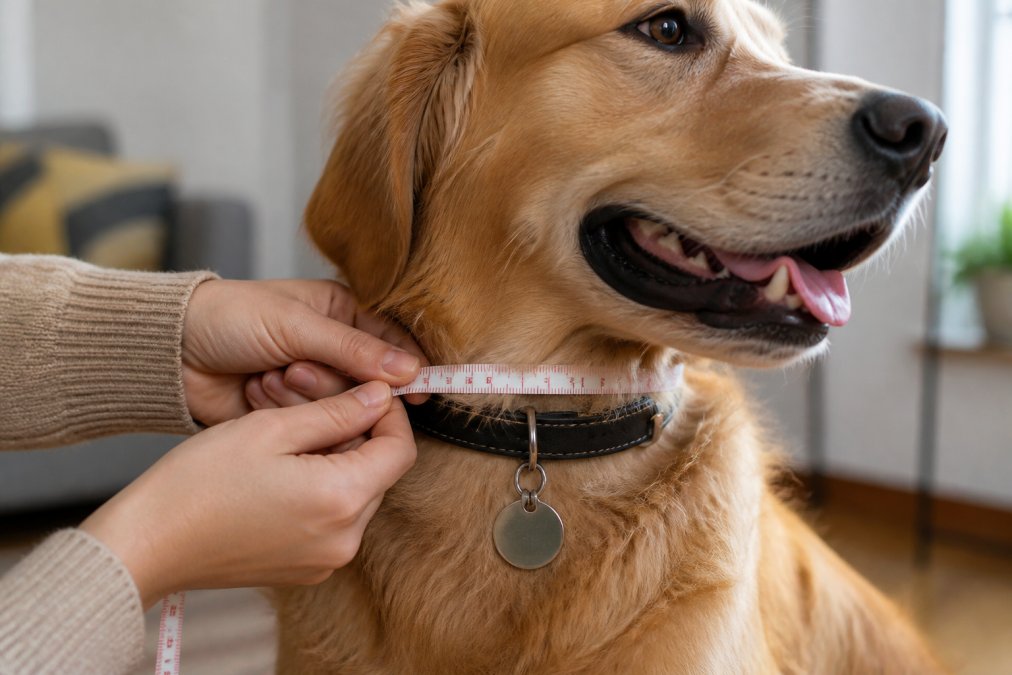
Before you buy a tag, measure your pet's neck. This single step prevents most sizing mistakes.
What you'll need:
- A soft measuring tape or a piece of string
- A ruler (if using string)
- Your pet's collar
How to measure:
- Place the measuring tape around your pet's neck where the collar normally sits
- Keep the tape snug but not tight, you should fit one finger between the tape and the neck
- Note the measurement in centimetres
- If using string, mark where it meets, then measure against a ruler
This measurement tells you whether your pet can comfortably wear a tag without the collar being too loose or too tight.
A collar that's too loose means the tag will dangle awkwardly and might catch on things. A collar that's too tight restricts movement and causes discomfort. Getting this right is the foundation of choosing the right tag size.
Understanding Tag Shape and Weight Impact
Tag shape affects how the tag sits and how readable it is. Bone-shaped tags are the classic choice because they lay flat against the collar and present a large, readable surface. Round tags take up less space and work well for smaller pets or those with noise sensitivity.
The weight of the tag matters more than people realise. A lightweight tag reduces neck strain and collar fatigue. This is especially important for puppies, kittens, and small breeds.
For active or anxious pets, a heavier tag can create constant movement and jingling, which some animals find stressful. Lightweight materials like anodised aluminium reduce this issue while still providing durability.
Black Aluminium Bone Pet ID Tag →
Pet Size and Breed Considerations
Your pet's size and activity level are the strongest indicators of what tag will work best.
Small Dogs and Cats: Lightweight Options
Small dogs and cats need tags that won't weigh them down or cause discomfort.
Lightweight aluminium tags are ideal for these pets. They're affordable, durable, and comfortable. The Black Aluminium Bone Pet ID Tag from Pet ID Tags Australia, for example, combines lightweight construction with professional engraving that remains legible for years.

Small pets also benefit from smaller tag dimensions. A 25 × 25 mm bone-shaped tag is proportionate to their size and won't overwhelm their collar. Avoid large, chunky tags that look oversized on a small pet's neck.
Consider the noise factor. Small pets often have sensitive hearing. A jingling tag can cause stress or anxiety.
Large and Active Dogs: Durability and Visibility
Large dogs and active breeds need tags built to withstand rough play, swimming, and constant movement. Durability becomes the priority.
Stainless steel tags resist scratching and corrosion better than aluminium. They're heavier, but the durability trade-off is worth it because these tags maintain readability even after years of wear.
Larger tags (40 × 50 mm) are appropriate for large breeds. They're more visible, hold more text, and are less likely to be overlooked if your dog is found. The larger surface area also means the engraving remains clear even if the tag gets scratched.
Active dogs benefit from tags with secure attachment methods. A split ring attachment is standard, but for escape artists, double-check that the ring is strong and properly closed. Some owners use additional security measures like a small carabiner or a leather tag holder to prevent loss.
Best Material for Pet Tags: Durability and Comfort
Material choice affects how long your tag lasts and how comfortable it is for your pet.
Aluminium tags are lightweight, affordable, and come in vibrant colours. They resist corrosion and are comfortable for extended wear. Anodised aluminium (like the Blue Aluminium Bone Pet ID Tag from Pet ID Tags Australia) provides a durable finish that resists fading. These are ideal for pets that need comfort over extreme durability.
Stainless steel tags resist scratching and maintain readability longer. They're heavier but more durable. Choose stainless steel if your pet spends time outdoors, swims regularly, or is particularly rough on their gear.
Brass tags offer a traditional look and good durability. They can develop a patina over time, which some owners prefer for aesthetic reasons, but the patina can reduce readability slightly.
The best material depends on your pet's lifestyle. Indoor cats doing occasional outdoor time? Lightweight aluminium works perfectly. Outdoor dogs swimming and playing daily? Stainless steel is worth the investment.
What to Put on a Dog Tag: Information and Engraving Space
Your pet's tag is a communication tool. The information you choose to engrave determines whether someone can actually reunite with your pet if they're found.
Black Aluminium Bone Pet ID Tag →
Essential Contact Information
Your primary phone number is non-negotiable. It's the fastest way for someone to reach you. Include your mobile number if you carry it with you, as landlines are less reliable for urgent contact.
Your pet's name comes second. A name creates an emotional connection and makes it clear that the tag belongs to a specific pet, not just a random collar accessory.
A secondary contact number is valuable. If your primary number is unavailable, a partner's number, a family member's, or even your veterinary clinic's number can ensure contact.
Your address is optional but useful. Some people prefer to include it; others worry about security. A postcode alone (without street address) is a middle ground that allows someone to know the general area without full identifying information.
Balancing Readability with Engraving Capacity
Here's the tension: more information means smaller text. Smaller text is harder to read. A tag that's unreadable defeats its purpose.
Prioritise ruthlessly. Phone number and pet name are essential. Everything else is secondary. If you must choose between a secondary contact and an address, pick the contact.
Professional engraving (like Pet ID Tags Australia's deep laser engraving) produces crisp, legible text even when space is limited. This is why material and engraving quality matter as much as tag size. A small tag with professional engraving is more readable than a large tag with shallow engraving.
| Information | Priority | Space Required | Notes |
|---|---|---|---|
| Pet name | Essential | 15-20 characters | Makes tag personal |
| Primary phone | Essential | 10-12 characters | Fastest reunion method |
| Secondary contact | Valuable | 10-12 characters | Backup if primary unavailable |
| Address/Postcode | Optional | 10-15 characters | Helps if tag is found locally |
| Microchip number | Optional | 12-15 characters | Backup to physical tag |
Cat ID Tag Size: Comfort and Attachment Mechanics
Cats are different from dogs. They're more sensitive to weight and movement, and they spend more time grooming and moving through tight spaces. These factors change how you approach tag sizing.
Smaller dimensions (25 × 25 mm) suit cats better than large tags.
Common Mistakes When Choosing Pet Tag Size
Most sizing mistakes fall into a few predictable patterns.
Choosing a tag too large for the pet. A tag that's proportionally oversized looks awkward, weighs too much, and causes neck strain. Your pet's tag should be noticeable but not dominant on the collar.
Frequently Asked Questions
What size pet tag should I get for a small dog or cat?
Aluminium tags like the Black Aluminium Bone Pet ID Tag are ideal because they're lightweight and readable without overwhelming a small pet's collar. Always measure your pet's neck circumference first to avoid snagging or discomfort.
What should I put on a dog tag for the best reunification outcome?
Include your pet's name, your primary phone number, and optionally a second contact or address. Keep the font size legible for easy reading. Avoid cluttering the tag; a finder needs to contact you quickly. Deep laser engraving, like that used on Pawzee tags, ensures your details stay readable for years, even with daily wear.
Does the weight of a pet tag matter for cats?
Yes, weight is critical for cats. Heavier tags can cause neck fatigue and discomfort, especially on smaller or senior cats. Lightweight materials like anodised aluminium are ideal. Cats are also more sensitive to noise, so choose tags that don't dangle excessively. A tag that's too heavy may encourage your cat to remove or damage their collar, defeating the purpose of identification.
How do I know if a pet tag is the right size for my pet's collar?
Measure your pet's neck circumference with a soft tape measure. The tag should sit flat against the collar without folding or curling. Check that the split ring attachment doesn't restrict collar movement or pinch skin. For puppies and kittens, plan for growth. Always ensure at least one finger's width of space between the collar and your pet's neck.